

K12 hiring insights for Canada
Explore practical guides, hiring trends, and market updates to help job seekers make faster, better career decisions.

Which School Board Jobs in Canada Don't Require a Teaching Certificate in 2026 — and What Do They Pay?
School boards are among the largest employers in most Canadian communities, and the majority of their payroll is not teachers. Job Bank puts the national median for educational assistants at $25.01 an hour, library technicians at $28.00, and school bus drivers at $25.00 — with 77% to 85% of workers in these occupations receiving at least one non-wage benefit. This post covers the main non-certified roles, what each pays by province, why the hourly rate understates the package, and how board hiring works.

Why Are Canadian School Boards Suddenly Hiring for Structured Literacy in 2026?
Ontario has required annual early reading screening in every publicly funded school since September 2024, and Alberta, Nova Scotia and New Brunswick have each moved to mandated screening and structured literacy curricula. That has created a specific hiring demand: teachers who can run screening data and deliver explicit, systematic reading instruction. This guide covers what structured literacy actually means for a job posting, which provinces have mandates, what qualifications boards are asking for, and how the roles are paid.

What Are Canadian Teacher Benefits Actually Worth in 2026?
In Ontario, health, dental, life and AD&D premiums are 100 per cent paid by the benefits trust — but only for teachers at a full 1.0 FTE. Drop below full time and you pay the difference yourself. British Columbia has just set an 85 per cent employer-paid premium floor effective July 2026. This post explains what the plans actually cover, who pays for them, and why your FTE and contract status matter more than your province.

Why Are Francophone School Boards the Fastest Route to a Permanent Canadian Teaching Contract in 2026?
Twenty-eight French-language school boards outside Quebec employ more than 13,000 teachers, and the network's own estimate is that it needs 1,500 to 2,000 more. Enrolment has been climbing by roughly 3,000 students a year while the teacher supply has not kept pace. This post covers who these boards are, what they pay, what the French proficiency bar actually is, and why permanent contracts come faster here than in the English boards.

What Does a Teaching Job in Yukon, the NWT or Nunavut Actually Pay in 2026?
A first-year teacher on the Yukon grid starts at $90,805 as of July 2026, before any allowance. In Nunavut, the northern allowance alone runs from $16,328 in Iqaluit to $44,460 in Grise Fiord, and most postings include subsidised staff housing. This post compares the three territorial grids, the allowances layered on top, and what certification and housing actually require.
How Do You Become a Secondary Math Teacher in Canada in 2026?
Secondary mathematics teachers in Canada earn a median of $45.67 an hour, but the provincial spread runs from $41.03 in New Brunswick to $59.77 in Nunavut — a gap no national average survives. Getting the job requires a teachable subject in mathematics, provincial certification, and in Ontario a passed Mathematics Proficiency Test. This post covers the qualification route, the wage data by province, and where the shortage is real.

How Do You Become a Supervisory Officer or Superintendent in Canada in 2026? Qualifications, Cost and What the Job Pays
Becoming a supervisory officer in Ontario requires a master's degree, five years of teaching, principal's qualifications or two years in administration, and a five-module program that runs past $5,500 in fees. Job Bank puts the national wage for district school superintendents between $36.54 and $71.51 an hour, while Ontario's salary disclosure shows directors of education at the top of the largest public sector payroll in the province. This post walks through the pathway, the real cost, and what the pay data does and does not tell you.

How Do You Become a Physical Education Teacher in Canada in 2026?
Most of Canada still has generalist classroom teachers deliver elementary physical education, and provincial mandates range from 75 to 150 minutes a week to 20 or 30 minutes a day. That policy variation — not the salary grid — decides whether a dedicated PE position exists in your province at all. This guide covers certification, the Ontario specialist AQ route, what the wage data really means for a subject that shares one grid with every other teacher, and where the specialist jobs actually are.
How Many Sick Days Do Canadian Teachers Actually Get? Provincial Sick Leave and Disability Plans in 2026
Ontario teachers get 11 days at full salary plus 120 short-term disability days at 90 percent. Alberta gives 20 days in year one and up to 90 calendar days after that. Saskatchewan banks unused days to a 180-day ceiling. The systems are not comparable on day count alone, because the real protection sits in the disability plan behind the sick days — and that plan is the flashpoint in Ontario's stalled 2026 bargaining.

What Does a Quebec Teacher Actually Earn in 2026? The 2023–2028 Salary Scale Explained
A regular full-time Quebec teacher earns between $51,461 and $100,246 under the Ententes nationales 2023-2028, and the maximum rises to $109,121 on April 1, 2027. The common front settlement delivered 17.4 per cent in general increases over five years, but teachers came out near 23.5 per cent once the scale restructuring is counted. This guide explains how the scale works, why online salary figures disagree so badly, and what the numbers mean for a career.

What Do Canadian Teachers Actually Get Paid on Maternity and Parental Leave in 2026?
Employment Insurance replaces 55% of your earnings up to a ceiling of $68,900 — which caps the benefit at $729 a week no matter what the salary grid says you make. Quebec teachers are in a different plan entirely, with a $103,000 ceiling and a $1,386.54 weekly maximum. This post explains the federal floor, the Quebec exception, what a collective agreement top-up does and does not cover, and why the summer months are the part most teachers get wrong.

How Do You Become a Vice-Principal in Canada in 2026? Qualifications, Cost and Timeline by Province
The answer depends enormously on where you teach. Ontario requires the full two-part Principal's Qualification Program — 250 hours of coursework plus a 60-hour practicum — before you can hold a vice-principal post. Alberta does not require leadership certification for assistant principals at all. Quebec runs on a 30-credit management requirement you can finish after you are hired. This post maps the four models, what each costs, and how long each takes.
What Do Canadian Teachers Actually Earn Per Hour in 2026?
Job Bank puts the median secondary school teacher in Canada at $45.33 an hour, but that figure divides salary by contracted hours — and the Canadian Teachers' Federation reports 73% of educators working more than 45 hours a week. Adjust for the hours teachers actually work and a $120,000 Ontario grid maximum lands closer to $65 an hour than $82. This post rebuilds the hourly number from the school calendar up, province by province, and explains why the gap is widest exactly where the grid looks most generous.
How Do You Become a Special Education Teacher in Canada in 2026? Qualifications, Provinces and Demand
Ontario's Auditor General found in May 2026 that about one-third of students waited more than a year for a formal special education assessment, and that educational assistant absences went unfilled between 49% and 72% of the time. Special education is where Canadian school systems are visibly short-staffed, and the qualification route is an add-on to a regular teaching certificate rather than a separate degree. This post covers the provincial credential pathways, what the demand data actually shows, and how to sequence the qualifications without wasting a year.

How Do You Get Hired by a Catholic School Board in Canada in 2026? Faith Requirements, Pastoral References and the Religious Education AQ
Thirty-seven of Ontario's 72 publicly funded school boards are Catholic, running roughly 1,400 schools for about 550,000 students. These are public employers on public salary grids — but their hiring process adds requirements no public board asks for, including a pastoral reference and a Religious Education Additional Qualification. This post explains what Catholic boards in Ontario, Alberta and Saskatchewan actually require, when they require it, and how the timelines differ.
How Long Does Teacher Certification Actually Take in Each Province in 2026?
Alberta commits to assessing an Alberta graduate's file in 14 business days and an internationally educated applicant's file in 120. Ontario commits to 30 calendar days for a Canadian-certified teacher and 60 business days for an internationally educated one. Nova Scotia says four to six weeks for everyone. Every one of those clocks starts when your file is complete — not when you apply — and that is where the months actually go.
How Do You Become a School Social Worker in Canada in 2026?
Social workers in Canada earn a median of $38.46 an hour nationally, and school boards are one of the few employers that pair that wage with a school-year calendar. But only about half of Ontario schools have a regularly scheduled social worker, so the jobs are concentrated rather than plentiful. This post covers provincial registration, the BSW-versus-MSW question, what boards actually pay, and where the postings are.
Is Canada Really Facing a Teacher Retirement Wave in 2026?
Statistics Canada counted more public school teachers under 25 than over 65 — 7,818 against 5,655 — and over a third of secondary teachers are under 40. The retirement wave that job seekers keep hearing about is real as a pension mechanism but weak as a demographic one. This post separates what the age data actually shows from what the 85 factor guarantees, and explains where Canadian teaching vacancies will genuinely come from.
What Is It Like to Teach in a First Nations School in Canada in 2026 — Pay, Housing, and Hiring?
There are more than 535 First Nations-administered education programs on reserve in Canada, teaching over 120,000 students, and they hire on their own timelines rather than the provincial cycle. Pay is increasingly benchmarked to provincial grids, with northern boards posting grids from $79,142 to $126,510 plus housing and travel allowances. This guide covers who runs these schools, what they pay, what certification you need, and how to apply.

What Do Canadian Teachers Actually Take Home in 2026? The Gap Between the Grid and the Paycheque
An Ontario teacher earning $85,000 contributes $9,006.40 to the pension plan before tax, union dues, CPP or EI. In BC the pension deduction alone is 11.17% of salary, and the teachers' federation adds another 3.65% on top. Salary grids are public and comparable; the deductions that sit behind them are neither. This post reconstructs the gross-to-net arithmetic province by province and explains why two identical grid numbers can produce different paycheques.
How Do You Become a Music Teacher in Canada in 2026, and Where Are the Full-Time Positions?
In Canada a certified music teacher is paid on exactly the same grid as a Grade 2 homeroom teacher — subject specialty changes nothing about your salary. What it changes is whether you can find a full-time assignment at all. This post covers the certification route, the Additional Qualification layer, what the grid actually pays, and why the real risk in music is FTE fragmentation rather than pay.

What Do Adult and Continuing Education Teaching Jobs Actually Pay in Canada in 2026?
Job Bank puts the median wage for college and vocational instructors at $45.00/hour and for secondary school teachers at $45.67/hour — a difference of 67 cents. But the instructor range runs from $24.04 to $73.72 while the school teacher range runs $28.85 to $59.76, and that gap is the whole story. This post explains why the two medians match, why the jobs don't, and how to tell a good adult-ed posting from a bad one.
How Do Internationally Educated Teachers Get Certified in Canada in 2026?
Canada now runs two parallel certification systems for internationally educated teachers: a shared single-window service covering eight provinces and territories, and go-it-alone regulators in Ontario, Alberta, Manitoba and Quebec. Which door you walk through changes your cost, your timeline, and how many provinces you can apply to at once. Here is the full 2026 breakdown.
What Do Canadian School Staff Actually Earn in 2026? Job Bank Wage Benchmarks vs. the Salary Grid
Job Bank puts the median wage for Canadian elementary and kindergarten teachers at $43.27 an hour and secondary teachers at $45.67 — both well below what provincial grids advertise at the top. The gap is not an error, and understanding it tells you more about your realistic first-decade pay than any grid does. This post benchmarks every major school role against national wage data and explains what each number is really measuring.
What Do Specialized School Roles Actually Pay in Canada in 2026?
Job Bank reports the same national wage — $26.67 low, $43.27 median, $56.59 high — for a primary school teacher, a special education teacher, and a supply teacher, because all three sit inside NOC 41221. That is a classification artifact, not a finding. This post shows what the 2026 Job Bank benchmarks really compare, which specialist roles sit in a genuinely different wage band, and where the actual specialization premium lives in Canadian school boards.
Supply, Occasional, or TTOC? What Canadian Teaching Job Titles Actually Mean in 2026
The same job has a different name and a different legal threshold in every province. In Ontario you become a long-term occasional teacher at 10 consecutive days; in Alberta a vacancy has to exceed 20 days before a contract is required; in British Columbia the role is called a teacher teaching on call. Here's what each title means, what changes when you cross the threshold, and why the wording on a posting matters more than it looks.
Do Canadian Teachers Get Paid Over the Summer? How Teacher Pay Schedules Actually Work in 2026
Permanent Canadian teachers do get paid over the summer — but not because July and August are paid vacation. Your 10-month salary is stretched across 12 months, or banked and paid out in a lump sum. Supply teachers and LTOs are a completely different story, and EI rules make it worse. Here's how teacher pay schedules, summer pay, and deferred salary leave plans really work.
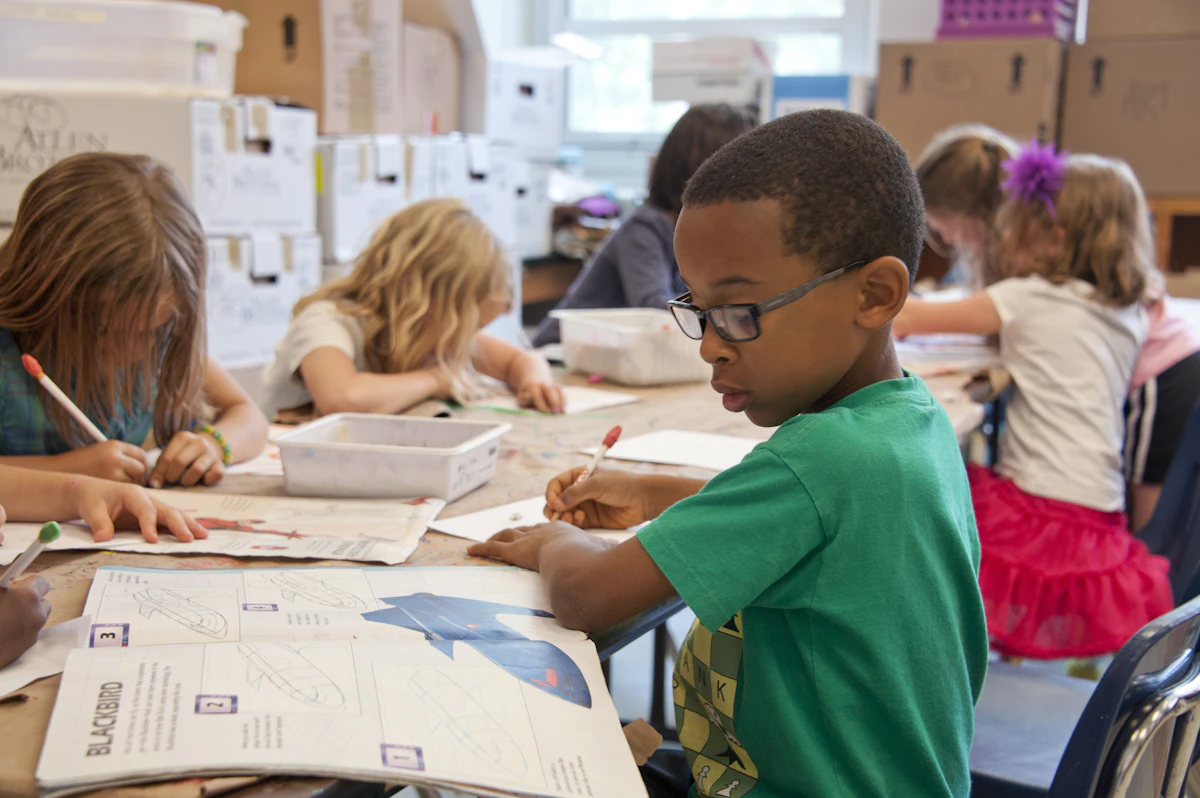
Where Can You Find Online Teaching Jobs in Canada in 2026?
Online K-12 teaching jobs in Canada split into two very different markets: board-employed virtual school positions that pay full salary grid, and gig tutoring platforms paying around $26/hour. Here's where the real jobs are, who's hiring, and how to tell the difference before you apply.
Which Canadian Teachers Are Working Without a Contract Right Now — And What Does It Mean for Hiring?
Ontario's collective agreements for more than 255,000 teachers and education workers expire August 31, 2026, with bargaining already at an impasse. Here's the contract status in every major province, what job action would actually mean for teachers, and how to run a job search while the labour situation is unsettled.
Does a Master's Degree Actually Pay Off for Canadian Teachers in 2026?
Yes — but how much depends entirely on your province. A master's moves Ontario teachers to QECO Category A4 (about $16,600 more at the top of the grid), BC teachers to TQS Category 6 (nearly $21,000 more than Category 4), and Saskatchewan teachers to Class VI (about $10,900 more). Here's the province-by-province math, the tuition bill, and the break-even point.
How Much Do School Principals and Vice-Principals Make in Canada in 2026?
Canadian school principals and administrators earn a median of $55.29/hour — roughly $115,000 a year — but the range runs from about $103,000 in Manitoba to over $151,000 in Nunavut. Here's the province-by-province breakdown, the qualifications you actually need, and how long the climb from classroom to principal's office really takes.
Which Provinces Actually Pay Teachers to Move There in 2026?
Some Canadian school divisions will hand you $10,000 a year just for showing up, while others offer a handshake and a parking spot. Here's where teacher signing bonuses, northern allowances, and relocation money are real in 2026 — with actual dollar figures, eligibility rules, and the fine print nobody mentions in the job posting.
Ontario Is Cutting Teachers' College to One Year in 2027 — Should You Wait to Apply?
Ontario's four-semester Bachelor of Education becomes a three-semester, 12-month program on May 1, 2027, with applications opening September 2026. The 80-day practicum requirement stays. Here's who benefits, who gets caught in the transition year, and whether waiting for the shorter program is actually the smart move.
How Bad Is Canada's French Immersion Teacher Shortage in 2026 — and Should You Get Qualified?
A survey of 934 Canadian school leaders projected a shortage of roughly 10,000 qualified French immersion and French-as-a-second-language teachers. Districts are cancelling programs, offering signing bonuses, and hiring French teachers while laying off everyone else. Here's the qualification pathway, where the vacancies are, and what the specialty is actually worth.

How Do You Become a Teacher-Librarian in Canada — and Do Those Jobs Still Exist?
Teacher-librarians in Canada average about $74,559 a year, but the number of positions has collapsed — Ontario went from 80% of elementary schools staffing one in 1998 to 52% by 2017, and Alberta dropped from 550 to 106. Here's the qualification pathway, which provinces still hire, and whether the specialty is worth pursuing in 2026.
How Much Does It Actually Cost to Become a Teacher in Canada in 2026?
Becoming a certified teacher in Canada costs roughly $35,000 to $60,000 in tuition plus $200 to $750 in certification fees, and internationally educated teachers pay more. Here's the full bill — degree, B.Ed, regulator fees, annual dues, criminal record checks — and how long it takes to earn it back.
How Do You Become a Child and Youth Worker in a Canadian School?
Child and youth workers in Canada earn between $19.00 and $36.06 an hour, and school boards are actively posting CYW roles for the 2026/27 year. Here's the diploma you need, how certification works province by province, and what the job actually involves once the classroom door closes.
Which Provinces Are Hiring Uncertified Teachers in 2026?
Quebec had 9,184 non-legally qualified teachers on long-term contracts as of December 2024, B.C. issued 303 Letters of Permission in 2023 — more than triple its 2019 total — and Alberta opened four expedited certificate pathways on June 1, 2026. Here's which provinces are hiring people without a full teaching certificate, what those permits actually let you do, and how to use one as a real on-ramp instead of a dead end.

How Do You Become a School Psychologist in Canada in 2026?
Becoming a school psychologist in Canada means a master's or doctoral degree in psychology plus registration with your province's regulatory college — and the requirements change dramatically depending on which province you're in. Here's what each province demands, what school boards actually pay, and why roughly 40 positions sit unfilled in Ontario alone.

How Do You Become an ESL/EAL Teacher in Canada in 2026?
To teach English language learners in a Canadian public school you need a provincial teaching certificate plus an ESL/EAL specialist qualification — not a weekend TESL course. To teach adult newcomers in a LINC program you need the opposite: a TESL certificate, no B.Ed required. Here's which pathway fits which job, what each costs, and where the hiring actually is.

How Do You Become a Skilled Trades Teacher in Canada in 2026?
Technological education is the hardest teaching job in Canada to fill, and you don't need an undergraduate degree to do it — five years of trade experience can get you into a Diploma in Technological Education instead. Here's the certification pathway in each province, what the pay cut from the tools actually looks like, and why Ontario is spending $55.8 million trying to fix this.
Which Provinces Actually Cap Class Sizes in Canada in 2026?
Only a handful of provinces put hard class size limits in law or in a collective agreement — Ontario caps primary grades, BC negotiates limits contract by contract, and Alberta has no cap at all despite 4 in 10 teachers reporting classes over 30. Here's what the class size rules actually say in every province in 2026, and why this matters when you're deciding where to teach.
How Do Ontario School Board Hiring Pools Actually Work in 2026?
Ontario school boards don't hire teachers off a job posting — they hire out of pools. You get on an occasional teacher roster, work your way onto a long-term occasional list, then compete for permanent contracts. Here's how each stage actually works in 2026, how long it takes, what PPM 165 changed after Regulation 274 was revoked, and how to move through it faster.
Why Are Teachers Leaving the Profession in Canada in 2026?
Canadian teachers are leaving over workload, classroom composition and safety — not pay. Roughly 1 in 6 B.C. teachers has considered quitting, 90% of Alberta educators call their workload unmanageable, and about 15% of newly certified Ontario teachers exit within five years. Here's what the data actually says, which provinces are hit hardest, and what it means if you're deciding whether to stay or start.
How Much Do PEI Teachers Make in 2026?
Prince Edward Island teacher salaries in 2026 run from $56,910 for a Certificate II teacher to $115,588 at the top of the Certificate VII scale, under the 2024–2027 PEITF collective agreement. Here's the full grid, the restricted Cert VII specialty track most people miss, and why the province is hiring people with high school diplomas to cover classrooms.

How Much Do Newfoundland and Labrador Teachers Make in 2026?
Newfoundland and Labrador teacher salaries in 2026 run from $38,106 at the bottom of the Level I scale to $106,478 at the top of Level VII, under Schedule C of the NLTA provincial collective agreement. Here's the full certificate-level breakdown, what allowances actually add, and why the province still can't fill positions outside the Avalon.
How Much Do Nova Scotia Teachers Actually Make in 2026?
Nova Scotia teacher salaries in 2026 run from $56,779 at the bottom of the grid to $113,619 at the top, under Schedule D5 of the Teachers' Provincial Agreement. Here's the full classification-by-classification breakdown, what the 11.47% contract increase actually delivered, and where the province is still struggling to fill positions.
How Much Do Manitoba Teachers Make in 2026 — and Is the Shortage Real?
Manitoba teachers are on the first province-wide collective agreement in the province's history, worth a compounded 12.85% over four years, with top-of-grid Class 7 teachers reaching roughly $126,481 by 2026-27. Manitoba now funds 13,903 teaching positions, up from 13,071 in 2023-24, and northern divisions are paying $10,000-a-year signing incentives. Here's the full salary, hiring, and certification picture.
Private vs Public School Teaching in Canada: Which Actually Pays Better in 2026?
Public school teachers in Canada out-earn private school teachers on average — private school teachers average about $70,207 while experienced public school teachers clear $100,000 in several provinces, plus a defined-benefit pension worth 11–13% of salary in employer contributions. Here's the full 2026 comparison: pay, benefits, hiring, class sizes, and when a private school job is still the right call.

How Do You Become a Guidance Counsellor in Canada? Requirements by Province, Salary, and the 2026 Reality
Becoming a guidance counsellor in Canada usually means getting a teaching certificate first, then adding a counselling qualification — an AQ in Ontario, a master's in most other provinces. With average pay around $78,800 and school counsellors stretched across multiple buildings, here's the full pathway, province by province.
How Do You Become a Teacher in Canada as a Career Changer? The 2026 Second-Career Guide
Career changers become teachers in Canada by completing a consecutive B.Ed. after their existing degree — typically 16 months to 2 years including at least 80 days of practicum. With Ontario moving to a faster 12-month model in 2027 and schools reporting daily staffing gaps, 2026 is one of the best entry points in decades for second-career teachers.

Should You Teach in Canada's Territories? Nunavut, NWT, and Yukon Pay, Allowances, and Realities in 2026
Teaching in Nunavut, the Northwest Territories, or Yukon can pay $87,000–$131,000 plus northern allowances worth up to $30,068 a year — and Nunavut started the 2025 school year with 21% of teaching positions vacant. Here's what territorial teaching actually pays, what the allowances cover, and what nobody tells you about housing.

Where Does a Teacher's Salary Actually Go Furthest in Canada? Toronto vs Vancouver vs Calgary (2026)
A top-of-grid teacher earns around $110,000 in Toronto, $106,000 in Vancouver, and $105,000 in Calgary — but after rent and taxes, the Calgary teacher comes out thousands ahead. Here's the 2026 cost-of-living-adjusted comparison of what teacher pay is actually worth in Canada's major cities.

What Are the Best Job Boards for Teachers in Canada in 2026? (Ranked by Actual Usefulness)
ApplyToEducation is the board most Canadian school boards actually hire through, but it's not the only one worth your time. Here's a ranked breakdown of where teaching jobs in Canada really get posted in 2026 — and which boards are a waste of your Sunday evening.
Saskatchewan Teacher Salary and Shortage Guide 2026: What You Need to Know Before You Apply
Saskatchewan's teacher shortage is real — and so is the pay bump from the 2025 collective agreement. Here's the full breakdown of the SK salary grid, which regions need teachers most, and how to land a teaching job in the province in 2026.
How to Get a Teaching Job in Quebec in 2026 (Yes, the System Really Is That Different)
Quebec's teaching certification system is unlike every other province in Canada — separate licensing authority, mandatory French language exam, and school boards that have been renamed twice. Here's the complete guide to getting hired as a teacher in Quebec in 2026.
Which Province Pays Teachers the Most in Canada in 2026? A Full Salary Ranking
Ontario and Alberta battle for the top spot, but the answer depends on whether you're measuring starting pay, top-of-grid pay, or how fast you actually get there. Here's the full provincial salary ranking for Canadian teachers in 2026.
How to Transfer Your Teaching Certificate to Another Province in Canada (2026 Guide)
Thinking about moving provinces and want to keep teaching? Here's how interprovincial teacher certification transfer works in Canada in 2026 — including timelines, fees, and which provinces make it easy vs. complicated.
Which Province Has the Worst Teacher Shortage in Canada in 2026?
Canada's teacher shortage is structural, not seasonal — and some provinces are hurting far more than others. This guide breaks down unfilled positions, hiring workarounds, and what it all means if you're looking for a teaching job right now.
How Much Do Substitute Teachers Make in Canada? Province-by-Province Salary Guide (2026)
Substitute teacher salaries in Canada vary widely by province, school board, and daily rate agreements. Here's what supply teachers actually earn in 2026 — and what certifications you need to get on the list.

What Does the New BC Teacher Salary Grid Actually Pay in 2026?
BC teachers ratified a new 4-year collective agreement in March 2026, delivering a 12% wage increase across the board. Here's exactly what the updated salary grid pays at every category and step — plus what it takes to move up.
Alberta's New Unified Teacher Salary Grid 2026: What Every Teacher Needs to Know
Alberta's new unified teacher salary grid takes effect September 1, 2026, with a 3% increase and movement to the Grande Prairie Public grid for most divisions. Here's exactly what it means for your paycheque — and how Alberta compares to other provinces.
Ontario Teacher Salary Grid 2026: How AQ Courses Can Add $20,000+ to Your Pay
A complete guide to the Ontario teacher salary grid, QECO categories, and how Additional Qualification courses unlock higher pay. Includes 2026 salary ranges by category and step for Ontario teachers.
New Brunswick's 14.5% Teacher Salary Increase: What It Means for Every Province in 2026
New Brunswick just ratified a five-year collective agreement giving teachers a 14.5% raise plus retention bonuses. Here's how it compares to every other province and what it signals for teacher pay across Canada.

Canada Teacher Pension Plans 2026: Why Educators Retire Richer Than Almost Anyone Else
Canada's provincial teacher pension plans are among the best defined benefit plans in the world. Compare Ontario, BC, Alberta, and Quebec plans — contribution rates, retirement formulas, inflation protection, and what your pension actually pays out.
Where Canada's Teacher Shortage Is Worst in 2026 — A Province-by-Province Breakdown
Canada is in its worst teacher shortage in a generation. This guide breaks down which provinces are hiring most aggressively in 2026, which subjects are most in demand, and how the shortage translates into real career opportunity for educators.
How International Teachers Can Immigrate to Canada in 2026: Express Entry, Credentials, and PR Pathways
Canada's teacher shortage has created a genuine window for internationally trained educators. This guide covers Express Entry's Education category, credential recognition by province, and exactly how to get from foreign classroom to Canadian PR in 2026.
Special Education Teacher Jobs in Canada 2026: Salary, Demand, and How to Get Certified
Special education teachers are Canada's most in-demand educators, yet the shortage keeps growing. Learn what special ed teachers earn by province, which certifications boost your salary, and how to land a role in 2026.
Special Education Teaching in Canada 2026: Salaries, Certifications & Where the Jobs Are
Special education teachers are among the most in-demand educators in Canada. This guide covers provincial salaries, specialist certification requirements, where to find the most openings, and how to build a career in inclusive education.
Teacher Salary by Province in Canada 2026: Who Pays the Most — and Why It Matters
A complete provincial breakdown of teacher salaries in Canada for 2026, from Ontario's six-figure grids to Quebec's lower floors. Includes starting pay, max pay, and what drives the gaps.

Early Childhood Educator Careers in Canada: Demand, Wages, and the Path to Getting Hired
Canada's $10-a-day childcare expansion has created thousands of new ECE positions — and the sector can't find enough qualified educators to fill them. Here's what the career looks like, what it pays, and how to get in.
Educational Assistant Careers in Canada: What the Role Involves, What It Pays, and How to Get In
Educational assistants are in high demand across every province — and the role is one of the most accessible entry points into working in Canadian schools. Here's the full picture on pay, qualifications, and career paths.
How to Become a School Principal in Canada: The Real Career Path
Moving from classroom teacher to school principal takes more than time — it takes deliberate positioning. Here's how the path actually works, what principals earn across Canada, and what hiring committees are really looking for.
Teaching in Indigenous Education: What the Work Looks Like and How to Get Into It
Indigenous education is one of the most meaningful and in-demand specializations in Canadian K–12 right now. Here's what the roles involve, how to qualify, and where the opportunities are concentrated.

STEM Teachers Are the Most Wanted Educators in Canada Right Now
Math, science, and computer science teachers are in critically short supply across every province. Here's what the demand looks like, what STEM teachers earn, and how to position yourself to get hired fast.

How Do I Become a French Immersion Teacher in Canada?
French immersion teacher demand is outpacing supply in every province. Here's the real path to getting hired — certification requirements, bilingual testing, and where the best jobs are right now.

When Is the Best Time to Apply for a Teaching Job in Canada?
Canadian school board hiring has a clear seasonal rhythm — and most candidates apply at the wrong time. Here's when the real hiring windows open, and what to do in each season to stay ahead.

What's It Really Like Teaching in Rural BC — and Is the Incentive Money Worth It?
Rural and remote BC school districts are recruiting hard — housing allowances, relocation support, and a fast track to permanent. Here's an honest look at what life and work actually look like in these communities.

How Do You Go From Supply Teaching to a Permanent Position in Canada?
Supply teaching is the standard entry point into permanent K–12 jobs in Canada — but the path isn't always obvious. Here's the strategy that actually works, from getting on the supply list to landing your first LTO.

Are Teaching Jobs in Alberta Worth the Move in 2026?
Alberta pays the highest teacher salaries in Canada — but is it the right move for you? Here's the honest breakdown of pay, hiring season, the certification process, and life in Alberta for teachers.
How Do I Get My Teaching Certificate in Ontario?
Step-by-step guide to becoming a certified teacher in Ontario — B.Ed. programs, OCT registration, how long it actually takes, and what to do once you're certified.
Why Is Special Education Teaching the Hardest Role to Fill in Canadian Schools?
Special education teachers are in critical shortage across every province — and the pay, job security, and impact make it one of the most compelling teaching roles. Here's what you need to get certified and hired.
The Best Provinces to Teach In Canada (2026 Rankings)
Which provinces are the best for teachers in Canada in 2026? We ranked all 10 provinces on salary, job availability, cost of living, pension quality, and working conditions to help you find your ideal teaching destination.
How to Find K–12 Teaching Jobs in Canada (2026 Guide)
Looking for K–12 teaching jobs in Canada in 2026? This step-by-step guide covers certification requirements by province, where to search, how to apply, and what school boards look for.
How to Become a Supply Teacher in Canada (2026 Guide by Province)
Want to become a supply teacher in Canada in 2026? This province-by-province guide covers requirements, pay rates, how to get on board lists, and how supply teaching leads to permanent K–12 positions.
Teacher Salary by Province in Canada (2026 Complete Guide)
What do teachers earn in Canada in 2026? This complete guide breaks down average teacher salaries by province, experience level, and subject area — with data on the highest and lowest paying provinces for K–12 educators.
The Canadian Teacher Shortage in 2026: Which Provinces Need Teachers Most
Canada's teacher shortage is reshaping K–12 hiring in 2026. Find out which provinces have the most critical shortages, which subjects are hardest to fill, and what it means for educators looking for work.